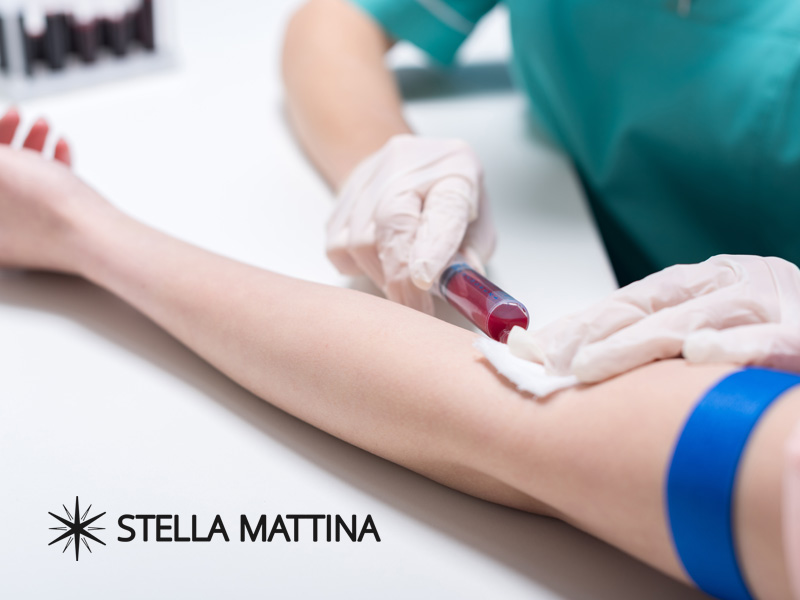
You can feel perfectly healthy while changes in your blood reveal the early signs of a health problem. Routine blood work can help your healthcare provider spot potential concerns before symptoms appear, giving you the opportunity to take action early.
But does everyone need blood work every year?
That depends on your age, medical history, risk factors, and previous results. Your healthcare provider can help you decide which tests you need and how often.
Let’s look at some of the questions about blood work that we hear most often at Stella Mattina.
How Does Blood Work for Preventive Care Help You Stay Healthy?
Blood work for preventive care gives you and your healthcare provider valuable information about your health. It can identify risk factors, track changes over time, and help you make decisions that protect your long-term well-being.
For example, your cholesterol levels may be rising even though you feel fit and active. Finding out early gives you time to review your diet, physical activity, and other factors that affect your cardiovascular health and can lead to heart disease.
Your results also provide a useful point of comparison for future tests. A gradual change over several years may be more informative than a single result.
Preventive healthcare is about understanding your health today and taking sensible steps to protect it tomorrow.
What Can Routine Lab Work Detect?
Routine lab work can reveal changes associated with diabetes, anemia, high cholesterol, and problems affecting your kidneys or liver. However, different blood tests measure different things, so your provider will select those appropriate for you.
Some common primary care blood tests include:
Complete blood count (CBC)
This can reveal any signs of anemia, infection, and certain blood disorders, allowing your doctor to investigate potential problems early.
Lipid panel
Your cholesterol and triglyceride levels help your doctor assess your cardiovascular risk, including the likelihood of fatty deposits building up in your arteries.
Hemoglobin A1c
This test assesses your average blood sugar levels over approximately three months, helping to identify prediabetes or diabetes in time to take action.
Blood glucose
Your blood sugar level at the time of testing may also help screen for diabetes.
Kidney function tests
These tests measure substances in your blood that help your doctor assess how well your kidneys are filtering waste.
Liver function tests
Your doctor will look for changes in enzymes and proteins that may indicate liver problems and need further investigation.
These tests aren’t all necessary at every annual wellness exam. Your provider may recommend others, such as thyroid function or iron studies, if your symptoms, medical history, or risk factors suggest a need.
What Blood Tests Should You Get Every Year?
There is no single annual blood work checklist that suits every healthy adult. Your provider will consider your age, personal and family medical history, current medications, and individual risk factors before recommending tests.
For example, you may need regular blood sugar testing if you have a history of gestational diabetes or other risk factors for type 2 diabetes.
If you take certain medications, your provider may want to monitor your kidney function or other blood measurements that can be affected by the medication.
And if previous results showed elevated cholesterol, follow-up testing can help establish whether changes to your lifestyle or treatment are working.
You can also use your wellness exam to discuss any new symptoms, even those that seem relatively minor. Fatigue, for example, has many possible causes and doesn’t automatically mean you need a particular blood test.
The aim is to choose tests that provide useful information about your health rather than ordering everything available.
How Often Should Healthy Adults Get Blood Work?
Healthy adults don’t necessarily need routine blood work every year. The right testing schedule depends on your health, risk factors, previous results, and current screening recommendations. Screening recommendations may also change as new research becomes available.
Some tests may be appropriate every few years, while others require more frequent monitoring.
For example, if you’re managing diabetes, your provider may recommend A1c testing several times a year. If your cholesterol levels are stable and your cardiovascular risk is low, you may not need another lipid panel for several years.
Your needs can also change. Pregnancy, menopause, new medications, or a family history of certain conditions may affect which tests your provider recommends.
Even when you don’t need annual blood work, it’s worth reviewing your preventive healthcare needs regularly.
 Is Blood Work Part of Your Annual Wellness Exam?
 Is Blood Work Part of Your Annual Wellness Exam?
Blood work during an annual physical or wellness exam can provide useful information about your health, but it isn’t automatically necessary for everyone.
Your Stella Mattina primary care provider will review your health and recommend appropriate screening tests.
Your wellness exam is an opportunity to discuss your medical history, lifestyle, medications, and any concerns you may have.
Depending on your needs, your visit may include blood pressure checks, preventive screenings, vaccinations, and recommendations for routine lab work.
If you need blood tests, your provider will explain what they’re checking and why. They’ll also help you understand your results and whether you need any follow-up care.
That way, you leave with a clearer picture of your health and what you can do to maintain it.
Make Preventive Healthcare Part of Your Routine with Stella Mattina
Feeling healthy is a great starting point. Regular wellness exams help you stay informed about your health and identify concerns that might otherwise go unnoticed.
At Stella Mattina, our primary care teams in Dallas can help you understand which preventive blood tests are appropriate for you.
Your health is our priority, like it is yours. If it’s slipped off your radar recently, call us today and check if you need annual blood work.

Asma Bhaidani, PA-C
AsmaBhaidani, PA-C graduated in 2008 from Midwestern University in Arizona with a Masters in Medical Science. She received her undergraduate in Psychology with a focus on Pre-Med. With nearly two decades of experience, Asma uses her background in non-narcotic pain management, weight loss counseling, and Family Medicine to empower the next generation with the knowledge and confidence to achieve their wellness aims.