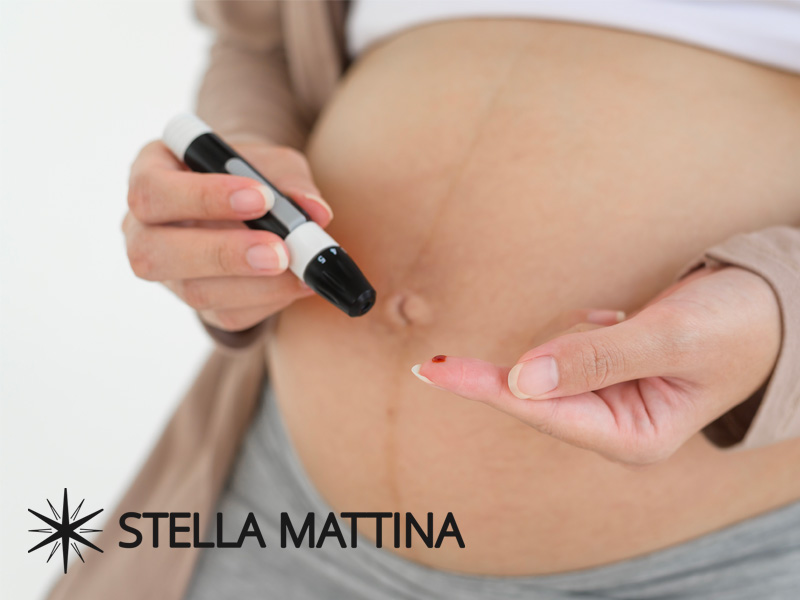
Untreated gestational diabetes can raise the risk of complications for both you and your baby, especially as pregnancy progresses.
The good news is that gestational diabetes is common, manageable, and often improves with the right care. When it’s found early and monitored closely, many women go on to have healthy pregnancies and healthy babies.
But what is gestational diabetes? A quick explanation is this:
Gestational diabetes happens when pregnancy hormones make it harder for your body to use insulin well, causing your blood sugar levels to rise. If those levels stay high, they can affect your baby’s growth, delivery, and your health during pregnancy.
So let’s look at some detail.
What Happens if Gestational Diabetes Is Left Untreated?
When you don’t treat gestational diabetes, extra sugar in your bloodstream crosses the placenta to your baby. Your baby then has to make more insulin to handle it. Over time, that can change your baby’s growth patterns and increase certain gestational diabetes complications.
You may not feel obvious symptoms – which is why screening matters.
Many women feel completely normal, and only learn they have gestational diabetes during routine prenatal testing.
Your baby is not the only one affected. Untreated blood sugar levels can also place extra strain on your body during a time when your heart, kidneys, and hormones are already working harder.
That’s why it’s important to recognize the risks to both your baby and you, and start to lower them.
Risks to Your Baby From Untreated Gestational Diabetes
One of the main pregnancy diabetes risks involves how high blood sugar can affect your baby before and after birth.
Larger baby size
Your baby may grow larger than expected, sometimes called macrosomia. A larger baby can make vaginal delivery more difficult and may increase the chance of birth injuries or the need for a C-section.
Preterm birth
Untreated gestational diabetes can also raise the risk of preterm birth. Some babies may need early delivery because of concerns about growth, blood pressure, or blood sugar control.
Low blood sugar
After birth, some newborns develop low blood sugar because their bodies were making extra insulin during pregnancy – which is no longer needed. This may require monitoring or treatment in the hospital.
Future risks
Some studies also show a higher long-term risk of obesity and type 2 diabetes later in life.
Risks to You During Pregnancy and Delivery
High blood sugar during pregnancy can affect your health as well.
High blood pressure
One concern is high blood pressure, including preeclampsia. This condition can become serious and needs prompt medical care.
Possible C-section
You may also face a greater chance of needing a C-section, especially if your baby is measuring large or labor is not progressing well.
Harder recovery
Some women experience more difficult recoveries after delivery when pregnancy complications stack together.
Future risk
Gestational diabetes can also be an early warning sign that your body may be more likely to develop type 2 diabetes in the future. That’s why follow-up testing after pregnancy is important.
How Untreated Gestational Diabetes Can Affect Delivery Plans
Your OBGYN may have to change your delivery plan if your blood sugar levels remain high.
This may mean your pregnancy is treated as higher risk, which helps ensure you get the extra monitoring and care you need at this stage. Stella Mattina has maternal fetal medicine doctors (MFMs) who specialize in caring for all kinds of high-risk pregnancies.
As part of this extra care, your provider may recommend more ultrasounds to check your baby’s growth and amniotic fluid levels. And you may also need more frequent prenatal visits to monitor your health and your baby’s wellbeing.
If your baby appears very large, or if other concerns develop, your provider may discuss induction or a planned C-section.
Every pregnancy is different, so the goal is not to alarm you. It is to make informed decisions based on current information and keep both of you safe.
How to Lower the Risks of Gestational Diabetes
Treatment often starts with practical daily steps.
You can improve your blood sugar levels through a balanced eating plan, regular movement if approved by your provider, and checking your glucose levels at home.
You may also need medication or insulin during pregnancy. That doesn’t mean you failed. It means your body needs extra support right now.
Keeping appointments matters too. Prenatal visits help your provider track progress and adjust your plan if necessary.
The earlier you begin treatment, the more you can lower the risks of gestational diabetes.
When You Should Talk to a Provider Right Away
Reach out to your provider if you have:
- abnormal glucose test results
- trouble keeping blood sugar in range
- severe headaches
- swelling or vision changes
- decreased fetal movement
- questions about what to eat or how to monitor levels
You don’t need to figure it out alone or wait until your next appointment. We have same-day appointments available at all our clinics.
Get Support for Gestational Diabetes in Dallas With Stella Mattina’s OBGYNs
If you have concerns about untreated gestational diabetes, the Stella Mattina team is here to help with compassionate prenatal care and women’s health support in our Dallas locations.
We can guide you through testing, monitoring, treatment options, and next steps so you feel informed and supported throughout pregnancy. Use the Healow app and book your appointment online today.

Dr. Gonzalo Venegas
Gonzalo Venegas, MD is the Medical Director of Stella Mattina Health and a respected obstetrician-gynecologist with over four decades of service in the Dallas medical community. He has led the Department of Obstetrics and Gynecology at Methodist Dallas Medical Center and contributed to community health through his role on the Parkland Health & Hospital System Board. A dedicated mentor at UT Southwestern, Dr. Venegas is known for his leadership, compassion, and commitment to advancing women’s health and medical education.