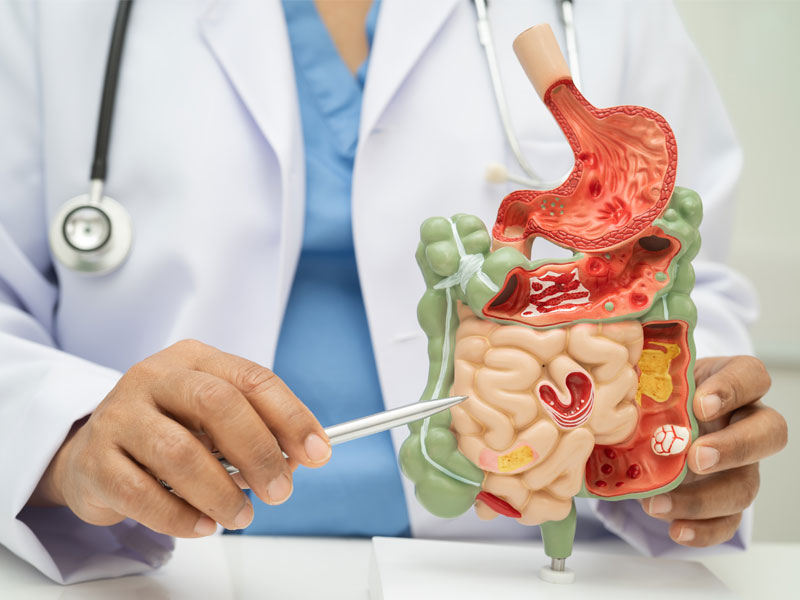
Gut health may influence metabolism, nutrient absorption, energy levels, and mood through the connection between your digestive system and the rest of your body.
Your digestive system does far more than process food. Gut health can affect how your body absorbs nutrients, regulates hunger, supports energy levels, and even responds to stress. In other words, gut health and weight loss are related.
When your digestive health is off balance, you may notice symptoms that seem unrelated at first, including fatigue, weight changes, bloating, or anxiety.
Researchers continue to study the connection between the gut and the rest of the body, especially the role of gut bacteria, inflammation, and the gut-brain axis.
While every person is different, improving gut health may support your overall wellbeing in ways that go beyond digestion alone.
What Is Gut Health? A 101
Gut health refers to the balance and function of your digestive system, including the bacteria and microorganisms that live in your intestines.
A healthy gut helps your body break down food, absorb nutrients, remove waste, and support immune function.
Your digestive system also contains millions of bacteria that help maintain balance inside your body. These bacteria are sometimes called the gut microbiome.
When your digestive health becomes disrupted, you may experience symptoms such as:
- bloating
- constipation
- diarrhea
- stomach discomfort
- acid reflux
- irregular bowel habits
Ongoing digestive issues may also affect how you feel physically and emotionally throughout the day.
How Gut Health Affects Weight Loss
Gut health significantly impacts weight loss by influencing your metabolism, nutrient absorption, appetite regulation, and inflammation.
This is relevant to sustainable weight loss. Many people think weight loss is only about calories and exercise, but gut health may also play a role.
That’s because your digestive system helps regulate how you process food, how you absorb nutrients, and how full you feel after eating.
An unhealthy gut may contribute to inflammation, unstable blood sugar levels, and increased cravings for highly processed foods. Many of these ultra processed foods (UPFs) can cause digestive issues like discomfort and bloating, which can interfere with your normal routines. You may then feel sluggish and less motivated to stay active enough for healthy weight loss.
The Role of Fiber in Gut Health and Weight Loss
Ongoing gut conditions like constipation, diarrhea, or symptoms associated with IBS may also make healthy weight management more difficult.
If food moves too quickly through your digestive tract, your body may not absorb nutrients efficiently. If it moves too slowly, you “starve” the beneficial gut bacteria by disrupting balance.
One way to avoid this is to eat more fiber.
Foods rich in fiber help support healthy digestion, improve feelings of fullness, and encourage steadier energy throughout the day. Fruits, vegetables, beans, oats, and whole grains are common examples.
How Gut Health Affects Energy
Digestive health may influence energy levels by affecting nutrient absorption, blood sugar balance, hydration, and sleep quality.
When your digestive system functions well, your body can absorb nutrients more effectively from the foods you eat. Those nutrients help support normal energy production throughout the day.
If digestion is disrupted, some foods may move through the digestive tract too quickly for proper nutrient absorption. Over time, poor digestive health may contribute to fatigue, sluggishness, or difficulty concentrating.
Hormones and digestive processes in your gut also help regulate blood sugar levels.
Fluctuations in blood sugar can adversely affect your energy levels.
Highly processed foods and irregular eating habits can sometimes lead to rapid sugar spikes and crashes that leave you feeling tired shortly after meals.
Digestive discomfort itself can also drain your energy. Ongoing bloating, stomach pain, reflux, or irregular bowel habits can affect your sleep quality, physical activity, and how hydrated you remain during the day.
All these can leave you feeling drained.
Fiber again plays an important role here because it helps support steadier digestion and more balanced blood sugar levels. Drinking enough water also supports healthy digestion and regular bowel function.
You may notice improvements in your energy when you begin supporting your digestive health with more balanced meals, better hydration, consistent sleep, and regular movement.
How Gut Health Affects Anxiety
The digestive system and the brain constantly communicate through nerves, hormones, and chemical signals. This connection is often called the gut-brain axis.
Hormone messages from your gut travel throughout your body – which may help explain why gut health and anxiety often go together.
Researchers continue to study the relationship between the gut and mental wellbeing.
Because of this connection, stress and anxiety may sometimes affect digestion. You may have experienced this: nausea, stomach discomfort, diarrhea, or appetite changes.
But at the same time, poor gut health may also influence your mood and emotional wellbeing. Researchers are studying how gut bacteria may influence inflammation, stress responses, and the production of certain brain chemicals connected to mood.
This doesn’t mean digestive health alone causes anxiety or depression.
Mental health is far more complex and influenced by many factors. However, supporting your gut health can play a helpful part in an overall wellness plan for tackling anxiety, depression, or other mood issues.
Stress management, sleep, physical activity, hydration, and balanced nutrition may all support both your gut health and emotional wellbeing.
 Simple Ways to Support Better Gut Health and Live Well
 Simple Ways to Support Better Gut Health and Live Well
Small daily habits may help support digestive health and overall wellness over time.
You can support your gut health by:
- eating more fiber-rich foods
- drinking enough water
- limiting highly processed foods
- staying physically active
- getting consistent sleep
- managing stress levels
- scheduling medical care when digestive symptoms continue
You shouldn’t ignore persistent digestive problems. Symptoms such as ongoing abdominal pain, severe bloating, unexplained weight changes, blood in the stool, or long-term bowel changes deserve medical attention.
Frequently Asked Questions
Has anyone had weight loss success with fixing their gut health?
Some people find that improving their gut health supports healthier eating habits, better digestion, and more consistent energy levels. While gut health alone is not a weight loss solution, it may play a role in long-term weight management.
Can gut health actually affect metabolism and weight loss?
Research suggests that gut health may influence metabolism, appetite regulation, nutrient absorption, and inflammation. These factors can affect your overall health and may contribute to your weight loss efforts.
If I want a flatter stomach, is gut health important?
Gut health may help reduce bloating and support more comfortable digestion. While a flatter stomach depends on many factors, improving digestive health can help you feel better and support your overall wellness goals.
Stella Mattina Has Wellness Clinics Dallas Patients Trust
Stella Mattina provides primary care and wellness support for patients across the Dallas area. Call in at Carrollton, Merit, or Buckner clinics for support with your weight loss journey.
If you have concerns about gut health, digestive health, fatigue, anxiety, or weight management, our team can help you explore possible causes and create a personalized care plan that fits your needs.
Book an appointment today – at a primary care location or via the Healow app.

Asma Bhaidani, PA-C
AsmaBhaidani, PA-C graduated in 2008 from Midwestern University in Arizona with a Masters in Medical Science. She received her undergraduate in Psychology with a focus on Pre-Med. With nearly two decades of experience, Asma uses her background in non-narcotic pain management, weight loss counseling, and Family Medicine to empower the next generation with the knowledge and confidence to achieve their wellness aims.